
Jueteng, a traditional numbers game in the Philippines, impacts the nation's cultural, social, and economic spheres in deeply complex ways.
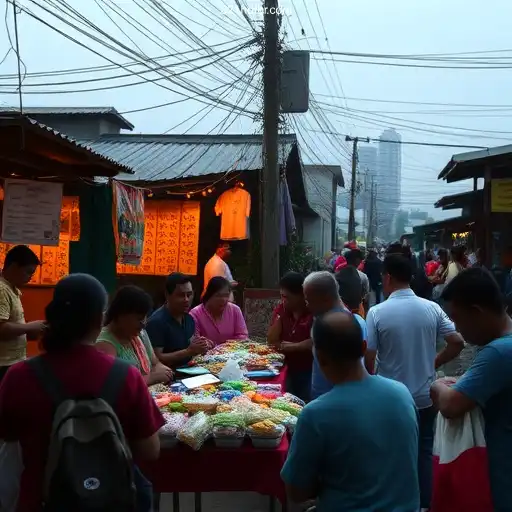
Understanding Jueteng: Exploring Its Cultural and Economic Impact
Jueteng is a numbers game, deeply embedded in the cultural and social fabric of the Philippines. While controversial, it has managed to persist through various generations, transcending social classes and provoking diverse opinions. Jueteng's significance goes beyond its literal monetary stakes, embodying a complex interplay between legality, tradition, and economy.
The Historical Roots of Jueteng
The origins of jueteng can be traced back to colonial times when the Spaniards ruled the Philippines. Initially an informal pastime, it quickly evolved into an organized form of gambling, reflecting the deeply ingrained human penchant for risk-taking and luck. Over time, jueteng has become part of the daily lives of Filipinos, particularly in rural and urban impoverished areas where other forms of entertainment and economic opportunity might be lacking.
Community Engagement and Economic InfluenceOne cannot discuss jueteng without acknowledging its role as a socioeconomic phenomenon. In many parts of the country, it often provides a semblance of economic activity for those on both ends of the social spectrum—from the bettors hoping for a victory to the operators and bet collectors earning a living from its operations.
The money flow generated by jueteng offers an economic microcosm of sorts, where finances circulate within the community. For collectors and those in charge of operations, it provides a source of livelihood, albeit unstable and marginal. However, for local government units, its informal nature deprives them of potential revenue, challenging efforts to regulate local economies effectively.
The Role of Politics in Jueteng
Over the years, jueteng has occupied a contentious space within the realm of Philippine politics. Various administrations have attempted to eradicate or regulate it. However, a complex web of corruption and dependence has made this task monumental.
Politicians sometimes find themselves unwittingly entangled with jueteng networks, using game proceeds for campaign funds or turning a blind eye to its presence in exchange for political allegiance from grassroots leaders. Despite ongoing efforts to curb its influence, jueteng remains a persistent issue that underscres the intricate relationship between power and grassroots mobilization.
Public Perception and Social DynamicsThe perception of jueteng varies widely among Filipinos. For some, it is an insidious vice, an exploitation of the poor’s hope for instant wealth. For others, it serves as harmless entertainment, a numbers game that serves as a brief escape from daily drudgeries.
Cultural Representations and Symbolism in Popular Media
Jueteng has found its way into Philippine cinema and literature, reflecting how deeply it is embedded in the cultural consciousness. Storylines often depict it as a microcosm of larger societal issues, such as poverty, injustice, and resilience. Through film and literature, jueteng becomes a symbol for both desperation and hope, a narrative driver that continues to resonate with many.
In popular media, jueteng often takes on a moralistic perspective. Films that tackle its themes frequently raise questions about legality, morality, and opportunity, creating complex characters whose lives intertwine with the cultural realities and consequences of gambling.
Comparisons with Other Forms of Gambling
When discussing gambling in a global context, comparisons with other forms come to light. Legally sanctioned forms like casinos and state lotteries seem worlds apart yet share core attributes. The allure of instant wealth, the thrill of uncertainty, and the social experience converge in these spaces.
Digital platforms like "321hot cassino online licenciado com 2.500+ jogos certificados, bônus R$ 5.000🍀" offer risk and reward on a much broader, accessible scale. Unlike jueteng, these entities operate under a layer of legitimacy and regulation. Their global reach and digital presence impose new dynamics in gambling culture, providing a contrast to jueteng's traditional, localized operations.
The Path Forward: Policy and Public AwarenessThe enduring persistence of jueteng poses questions about effective policy measures moving forward. It requires a multi-faceted approach, involving legislative reform, economic development, and community engagement. Redefining the economic opportunities available to those involved seems crucial for its long-term resolution.
Public awareness campaigns, educating the populace on the implications of informal gambling, could also play a critical role. Efforts to transition individuals from the informal gambling economy to more sustainable forms of livelihood must accompany these initiatives. By grounding solutions in a nuanced understanding of jueteng's implications, stakeholders might carve a viable path forward.
Conclusion
Jueteng's role in Filipino culture is undeniably complex. While illegal and contentious, it continues to thrive due to deep-rooted socio-economic challenges and political interplays. Moving forward, it remains essential to understand its multifaceted nature, encompassing more than just a simple game of chance.